Transform Your Property with a Whole Home Renovation Las Vegas
Discover proven strategies for whole home renovation Las Vegas. Complete cost breakdowns, timeline planning, contractor tips, and design trends.
When considering whole home renovation Las Vegas, homeowners face one of the most exciting yet complex projects they’ll ever undertake. A complete transformation of your living space offers unique rewards, from increased property value to a home that perfectly matches your lifestyle. However, it also presents distinct challenges that require careful planning and expert guidance.
The stakes are high with full-scale renovations. In fact, according to the National Association of Home Builders, complete home remodels can increase property value by 15-20% when done correctly. However, they also demand significant coordination across multiple trades and systems.
What Does a Complete Home Renovation Include?
A complete home renovation goes far beyond simple updates or cosmetic changes. In fact, it involves a comprehensive overhaul of your entire living space. This typically includes:
- Structural modifications and repairs
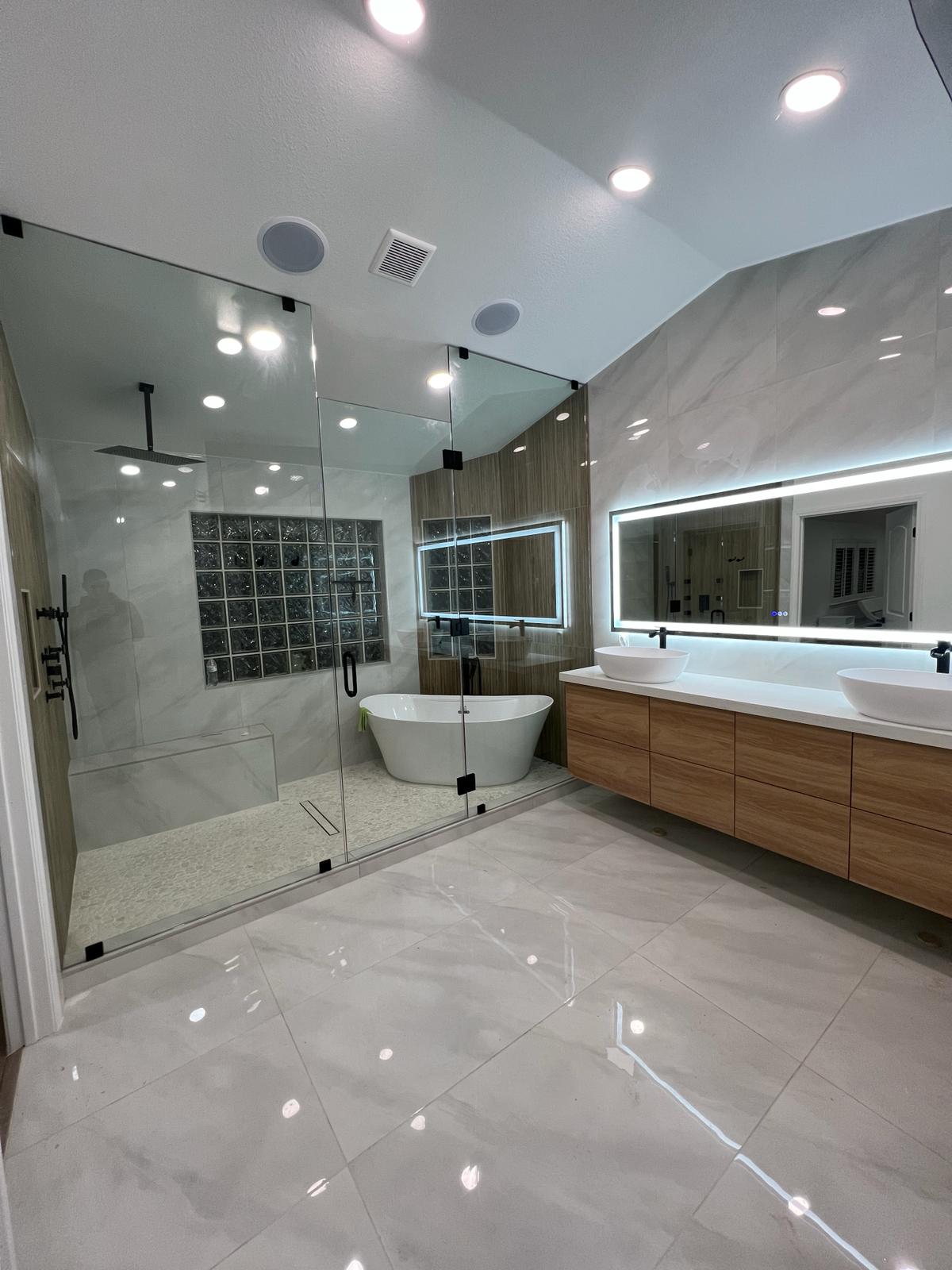
- Complete kitchen and bathroom remodeling
- HVAC system upgrades
- Electrical and plumbing updates
- Flooring, walls, and ceiling replacements
- Energy-efficient window and door installations
Why Las Vegas Homes Need Special Care
Las Vegas properties require unique attention due to extreme desert conditions. For example, summer temperatures regularly exceed 110°F, placing enormous stress on building materials and cooling systems. Also, the intense UV exposure can degrade exterior finishes faster than in other climates.
Energy efficiency becomes critical in this environment. Specifically, proper insulation and modern HVAC systems can reduce cooling costs by up to 30%, according to the U.S. Department of Energy.
Greenso Las Vegas specializes in complete home transformations throughout the valley. Our team brings extensive experience to every project, understanding the unique demands of desert construction.
Table of Contents
- Planning Your Project
- Budgeting and Financing
- Design Trends
- Selecting a Contractor
- Timeline and Management
- FAQ
Planning Your Whole Home Renovation Las Vegas Project
When considering a whole home renovation Las Vegas project, proper planning makes the difference between success and costly mistakes. In fact, homeowners who invest time in detailed planning save an average of 20-30% on total project costs. Therefore, starting with a solid foundation is critical.
Define Your Scope and Priorities
First, separate your must-haves from nice-to-haves. Must-haves include structural repairs, outdated electrical systems, and failing HVAC units. Nice-to-haves might be luxury finishes or expanded living spaces. Also, create a ranked list to guide decisions when budget constraints arise.
Consider these essential priorities:
- Structural integrity: Foundation issues, roof damage, load-bearing walls
- Critical systems: Electrical panels, plumbing, HVAC replacement
- Safety upgrades: Code compliance, fire safety, proper ventilation
- Energy efficiency: Insulation, windows, desert-appropriate cooling systems
Conduct a Thorough Home Assessment
Next, hire licensed professionals to inspect every major system. Specifically, projects in Las Vegas require special attention to desert climate challenges. For example, extreme temperature swings can stress foundations and roofing materials.
Your assessment should cover:
- Structural components and foundation settling
- Electrical capacity (most older homes need 200-amp service)
- Plumbing condition and water pressure
- HVAC efficiency ratings
- Roof condition and remaining lifespan
In addition, this evaluation helps you set realistic budgets. However, expect to allocate 10-15% for unexpected issues discovered during construction.
Create Your Project Roadmap
Meanwhile, organize work into logical phases. Because some tasks must happen before others, proper sequencing prevents delays. For instance, complete all structural work before installing new finishes.
A typical sequence includes:
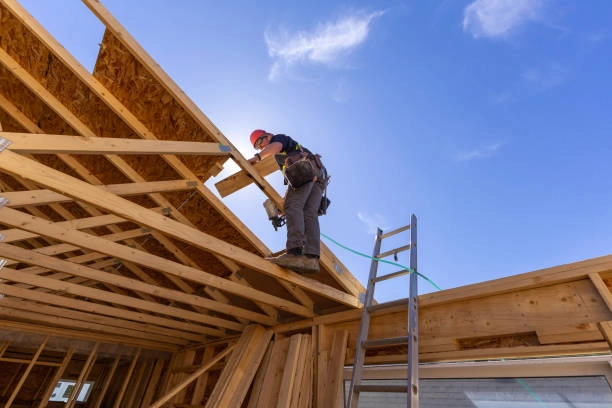
- Demolition and site preparation
- Structural repairs and foundation work
- Rough-in for electrical, plumbing, HVAC
- Insulation and drywall
- Finish work and fixtures
Similarly, plan temporary living arrangements. On the other hand, staying on-site during major renovations creates safety risks and extends timelines. Therefore, budget for alternative housing if needed.
Finally, research permit requirements through your local building department. In fact, Las Vegas requires permits for most structural, electrical, and plumbing work. For more guidance on managing complex projects, review construction project planning best practices.
Budgeting and Financing Your Whole Home Renovation Las Vegas
When considering projects in Las Vegas, understanding your budget is the foundation of success. Most homeowners underestimate costs by 20-30%. However, proper planning helps you avoid financial surprises and keeps your project on track.
Understanding Your Cost Breakdown
First, know where your money goes. Structural work typically consumes 25-35% of your budget. This includes foundation repairs, framing, and load-bearing modifications. Next, systems like plumbing, electrical, and HVAC take another 20-30%. Finishes—flooring, cabinets, countertops—often represent 30-40% of total costs. Finally, labor accounts for 40-50% of your entire budget.
For example, a $150,000 renovation might break down as follows: – Structural and framing: $37,500-$52,500 – Systems upgrades: $30,000-$45,000 – Finishes and materials: $45,000-$60,000 – Labor costs: $60,000-$75,000
Hidden Costs and Contingency Planning
In addition to obvious expenses, hidden costs lurk everywhere. Permit fees in Las Vegas range from $500-$5,000 depending on scope. Similarly, design fees add 5-15% to your total. Because unexpected issues arise during demolition, always maintain a 15-20% contingency buffer. Specifically, older homes often reveal outdated wiring, plumbing issues, or structural damage once walls open up.
Financing Your Project
Meanwhile, several financing options exist for your project. Home equity loans offer fixed rates, typically 6-9%, with predictable payments. On the other hand, HELOCs provide flexible access to funds at variable rates. Construction loans work best for extensive renovations, converting to mortgages afterward. Also, cash-out refinancing lets you tap home equity while potentially lowering your interest rate.
Therefore, compare options carefully. Consider working with building contractors who understand construction costs and payment structures.
| Cost Category | Percentage of Budget | Example (for $150K project) |
|---|---|---|
| Structural Work | 25-35% | $37,500-$52,500 |
| Systems (Electrical/Plumbing/HVAC) | 20-30% | $30,000-$45,000 |
| Finishes & Materials | 30-40% | $45,000-$60,000 |
| Labor | 40-50% | $60,000-$75,000 |
Smart Savings and Payment Schedules
Notably, strategic choices save thousands. Keep existing layouts when possible. Also, choose mid-range materials over luxury options. In fact, phasing work over time spreads costs effectively.
Finally, establish clear payment schedules. Standard terms include 10% upfront, 25-50% at project milestones, and final payment upon completion. Never pay more than 50% before work begins.
Design Trends for Whole Home Renovation Las Vegas
When planning projects in Las Vegas, homeowners are embracing design elements that work with the desert climate rather than against it. In fact, modern renovations now prioritize both style and function in ways that reduce energy costs by up to 30% annually.
Desert Modern Aesthetic and Indoor-Outdoor Living
The desert modern style has become the gold standard for Las Vegas renovations. This approach combines clean lines with natural materials like stone and wood. However, the real magic happens when interior spaces flow seamlessly into outdoor areas.
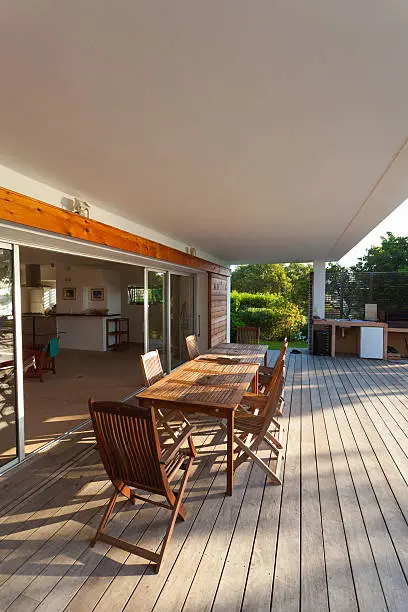
For example, large sliding glass doors and retractable walls create flexible living spaces. These features allow homeowners to enjoy Nevada’s 310 days of sunshine each year. In addition, covered patios with ceiling fans extend usable outdoor space even during summer months.
Smart Technology and Sustainable Design
Modern renovations integrate technology that makes desert living more comfortable:
- Smart thermostats that adjust to extreme temperature swings
- Automated window shades that block intense afternoon sun
- LED lighting systems using 75% less energy than traditional bulbs
- Solar panel integration that can offset 100% of electricity costs
Meanwhile, sustainable materials like recycled glass countertops and reclaimed wood flooring reduce environmental impact. These choices also add unique character to your home.
Climate-Optimized Features
Because Las Vegas faces unique environmental challenges, successful renovation projects must address water and energy efficiency. Specifically, homeowners are installing drought-tolerant landscaping that uses 50-70% less water than traditional lawns.
On the other hand, energy-efficient windows with low-E coatings block heat while maintaining natural light. Similarly, upgraded insulation in walls and attics keeps homes cooler without overworking HVAC systems. Therefore, these investments typically pay for themselves within 5-7 years through reduced utility bills.
Finally, residential construction experts recommend cool roofing materials that reflect sunlight rather than absorbing heat. This simple upgrade can lower roof surface temperatures by 50-60 degrees.
Selecting the Right Contractor
When considering major renovation projects, choosing the right contractor makes all the difference. Your contractor will manage your budget, timeline, and quality of work. Therefore, taking time to vet candidates properly protects your investment.
Licensing and Insurance Requirements in Nevada
First, verify that any contractor holds proper Nevada licensing. The Nevada State Contractors Board requires all contractors to maintain active licenses for projects over $1,000. In addition, confirm they carry both general liability and workers’ compensation insurance. These protections shield you from financial liability if accidents occur on your property.
However, don’t just take their word for it. Ask to see current certificates of insurance directly from their provider. Also, check their license status on the Nevada State Contractors Board website to confirm it’s active and in good standing.
Questions to Ask Potential Contractors
Next, prepare a list of essential questions before meeting candidates. For example, ask about their experience with similar projects and typical timelines. Specifically, request details about their approach to construction project planning and how they handle unexpected issues.
Key questions should include:
- How many years have you specialized in full home renovations?
- Can you provide a detailed written estimate?
- Who will supervise the daily work on-site?
- How do you handle change orders and additional costs?
- What is your typical payment schedule?
In fact, their answers reveal much about their professionalism and communication style.
Red Flags to Watch For
Meanwhile, stay alert for warning signs during your search. Be cautious if a contractor requests large upfront payments exceeding 10% of the total cost. Similarly, avoid those who pressure you to sign quickly or lack proper documentation.
On the other hand, reputable building contractors provide detailed written proposals and welcome questions. Therefore, trust your instincts if something feels off.
Checking References and Past Work
Also, always contact at least three recent references. Ask previous clients about timeline accuracy, budget adherence, and overall satisfaction. For instance, find out if the contractor cleaned up daily and communicated effectively throughout the project.
Additionally, request to see completed projects in person when possible. Photos can be misleading, but visiting actual job sites reveals true craftsmanship quality.
Contract Essentials and Communication Expectations
Finally, ensure your construction contracts include specific details. The agreement should outline the full scope of work, materials specifications, payment schedule, and project timeline. In addition, it must specify how changes will be handled and include warranty information.
Because clear communication prevents disputes, establish expectations upfront. Notably, discuss preferred contact methods and update frequency before work begins.
| Selection Criteria | What to Verify | Red Flag |
|---|---|---|
| Licensing | Active Nevada license | Expired or no license |
| Insurance | GL and workers’ comp | Inadequate coverage |
| Experience | 5+ years, similar projects | Vague portfolio |
| References | 3+ positive reviews | Refuses references |
| Contract | Detailed, written terms | Verbal agreements only |
Timeline and Project Management
When planning major renovation projects, understanding the timeline is key to success. Most full-scale renovations take between four to eight months to complete. However, project size directly impacts duration.
Typical timelines by scope:
- Small homes (under 1,500 sq ft): 3-5 months
- Medium homes (1,500-2,500 sq ft): 5-7 months
- Large homes (over 2,500 sq ft): 7-10 months
In addition, complex projects with structural changes or custom features may extend beyond these estimates. For example, adding square footage or moving load-bearing walls adds weeks to your schedule.
Phase-by-Phase Breakdown
First, the design phase typically takes 4-8 weeks. This includes finalizing plans and securing permits. Next, demolition begins and usually wraps up within 1-2 weeks for most homes.
The rough-in phase follows and consumes the most time. This stage includes:
- Framing and structural work (2-4 weeks)
- Electrical and plumbing installation (2-3 weeks)
- HVAC system updates (1-2 weeks)
- Insulation and drywall (2-3 weeks)
Finally, finishing work brings everything together. Cabinetry, flooring, painting, and fixtures typically require 4-6 weeks. Therefore, proper construction planning during each phase prevents costly mistakes.
Managing Delays and Coordination
However, delays happen even with careful planning. Material shortages can push timelines back by 2-4 weeks. Similarly, weather conditions in Las Vegas—though generally favorable—can impact exterior work.
Effective construction management requires coordinating multiple trades. Specifically, electricians, plumbers, and HVAC technicians must work in sequence. As a result, scheduling conflicts between subcontractors often cause the biggest delays.
| Project Size | Timeline | Key Factors |
|---|---|---|
| Small (1,000-1,500 sq ft) | 3-5 months | Single-story, basic updates |
| Medium (1,500-2,500 sq ft) | 5-7 months | Multiple rooms, moderate changes |
| Large (2,500+ sq ft) | 7-10 months | Structural work, custom features |
Living Arrangements During Construction
Meanwhile, you’ll need to decide where to stay. Most homeowners choose one of three options:
- Stay in the home (works for phased renovations)
- Rent temporary housing nearby
- Move in with family or friends
In fact, staying on-site during major renovation work can be challenging. Dust, noise, and limited utilities make daily life difficult. On the other hand, being present allows you to monitor progress and make quick decisions.
Frequently Asked Questions About Whole Home Renovation Las Vegas
Conclusion: Transform Your Las Vegas Home
Successful renovations start with clear goals and realistic budgets. Also, choosing an experienced contractor makes all the difference in your project outcome. In fact, proper contractor selection can save you thousands of dollars and months of delays.
Here are your essential action steps:
- Plan thoroughly before breaking ground
- Vet contractors carefully and check references
- Set aside 15-20% contingency funds
- Communicate regularly with your renovation team
Ready to Start Your Transformation?
Now is the perfect time to begin planning your project. Your home has incredible transformation potential waiting to be unlocked. For example, outdated spaces can become modern, functional areas that enhance your daily life.
Greenso Las Vegas is ready to help bring your vision to life. Contact us today to discuss your renovation goals.
Greenso Las Vegas
Address: Las Vegas, NV
Phone: (702) 518-0098
Finally, don’t wait to create the home you’ve always wanted. Start your journey toward a beautifully renovated space today.
Related services: whole-home renovation in Las Vegas